

More than 6,500 kilometers from the center of Baku, in Kuala Lumpur, Malaysia, a black wall stood inside the venue of the 14th Global Investigative Journalism Conference (GIJC25).
At the top, in large white letters, it read: “Journalism is not a crime.”
Below that sentence were engraved the names of imprisoned journalists from around the world. The installation was presented by the Committee to Protect Journalists.
Among them were Azerbaijani journalists. Some in their twenties, some in their fifties. Different newsrooms. Different stories. But one common reason. They reported facts that those in power did not want published.
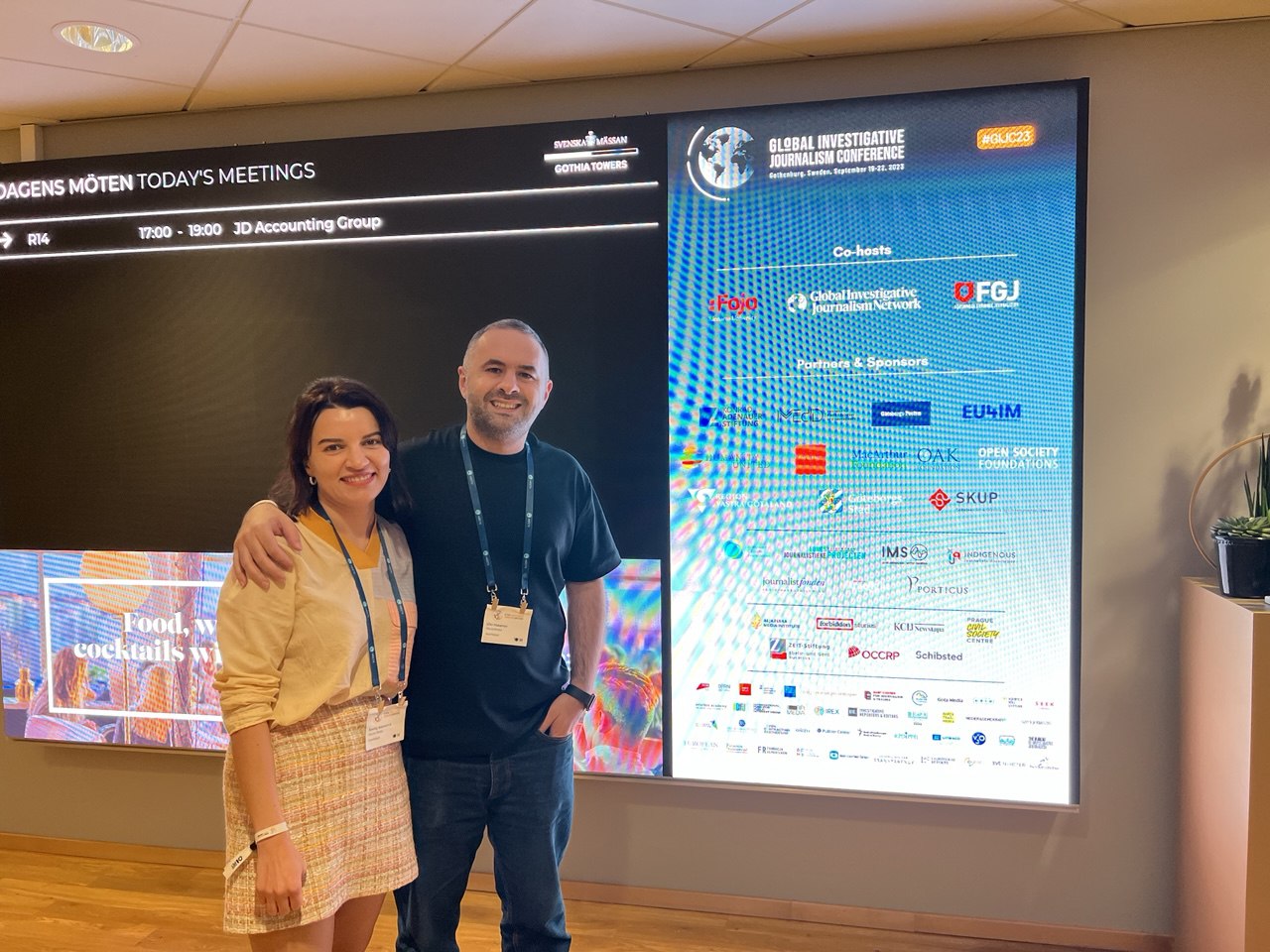
Three of the imprisoned journalists whose names appeared there had attended a previous Global Investigative Journalism Conference in Sweden.
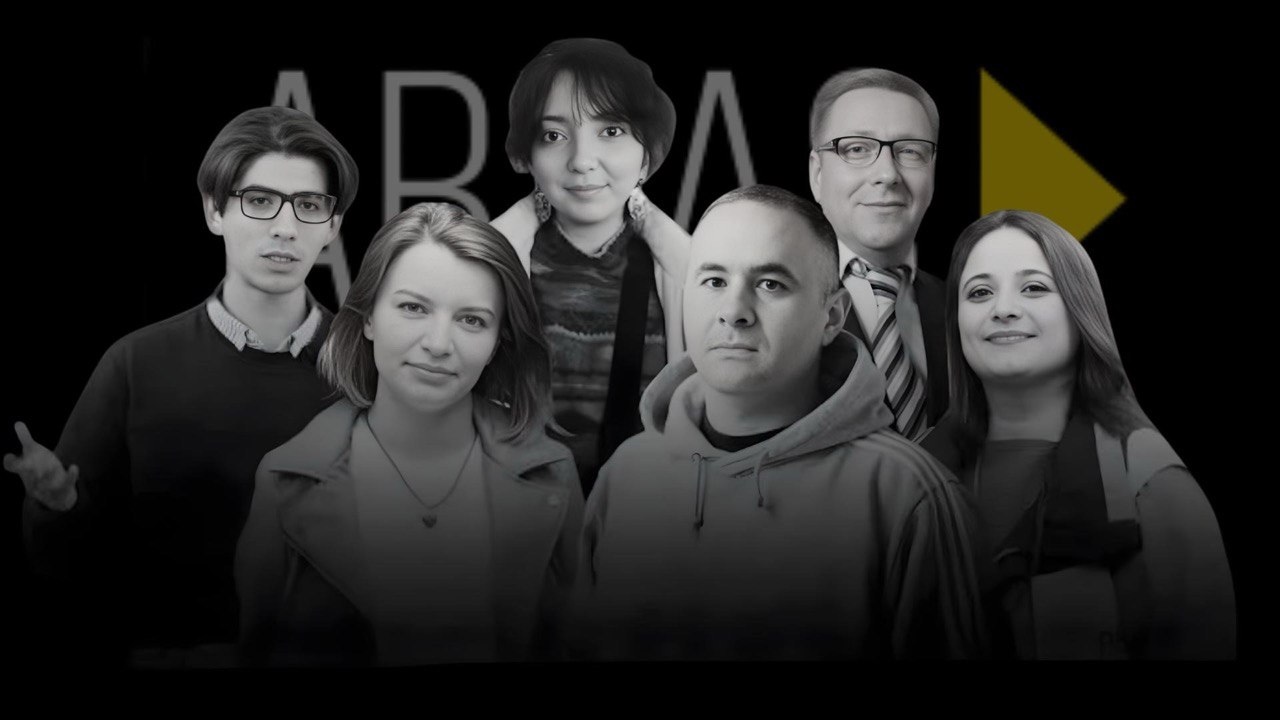
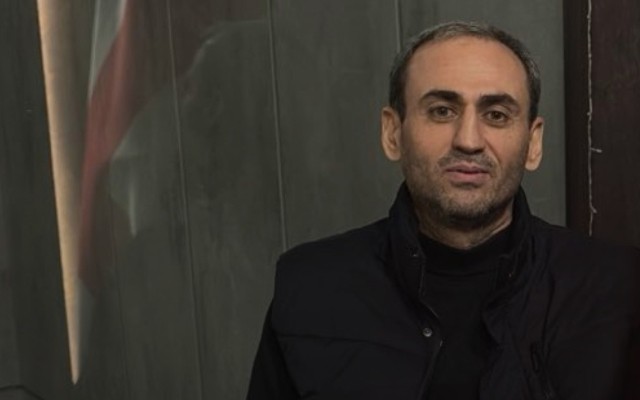
Sevinj Vagifgizi, Ulvi Hasanli, and Farid Mehralizade.
Two years earlier, they had walked through similar halls as participants. They had attended panels about cross-border investigations, financial transparency, and collaboration. They had exchanged contacts and ideas with colleagues from around the world.
Exactly two months later, they were arrested.
Everything changed in one day
If someone described Azerbaijan’s media landscape from two and a half years ago, it might sound surreal today.
Independent outlets had offices. Journalists investigated corruption involving high-ranking officials. They met citizens face-to-face and reported openly from the streets. They filmed in public spaces. They questioned ministers and members of parliament. They followed financial trails. They published investigations that sparked public debate.
It existed.
On November 20, 2023, that space began to collapse.
Ulvi Hasanli, one of the founders of Abzas Media, was arrested. The same day, deputy director Mahammad Kekalov was detained. One day later, editor-in-chief Sevinj Vagifgizi, who was abroad at the time, returned to Baku voluntarily and was arrested as well. In the months that followed, more journalists were detained, including Abzas Media journalists Nagriz Absalamova, Hafiz Babali and Elnara Gasimova. In May 2024 economist and RFE/RL contributor Farid Mehralizade was arrested too, despite the fact that he had never worked for Abzas Media.
They were accused of smuggling and serious financial crimes, allegations they and their supporters, both in Azerbaijan and internationally, reject as politically motivated and linked to their journalistic work.
Over time, the number of imprisoned journalists in Azerbaijan rose to more than 24, according to press freedom organizations.
On June 20, 2025 the Baku Serious Crimes Court sentenced Hasanli, Vagifgizi, Babali and Mehralizade to nine years in prison; Absalamova and Gasimova to eight years; and Kekalov to seven years and six months. On 9 September, 2025 the Baku Court of Appeal upheld the verdict.
Broken plans and hope
Through her family, I asked Sevinj Vagifgizi how she remembers attending GIJC23 shortly before her arrest.
She said she remembers it with hope and with unfinished plans.
At the conference, she and her colleagues discussed building partnerships with international investigative networks. They talked about cooperation with journalists abroad to trace offshore assets, examine property ownership, and uncover financial schemes connected to Azerbaijani officials.
“With the help of journalists abroad, we were planning to expose the money-laundering schemes of Azerbaijani officials overseas. We wanted to uncover the properties and assets they had acquired through dirty money”, she said, “Instead, two months after that event, we ourselves were arrested and accused of laundering money.”
She said this with clear irony: who discussed exposing money laundering were themselves accused of financial wrongdoing.
Through her family, she also said that if they regain their freedom, they will continue from where they left off.
Today, Sevinj has been imprisoned for more than 27 months.
Sevinj Vagifgizi is an Azerbaijani investigative journalist whose work has been driven by a commitment to truth, public accountability, and the protection of fundamental rights in a country where independent journalism is under severe pressure. Born in 1989, she studied journalism at Baku State University and began reporting while still a student, working for independent newspapers such as Bizim Yol and Azadlıq. She later worked with Meydan TV and collaborated with international investigative networks, including OCCRP, before becoming editor-in-chief of Abzas Media in 2022.
Chapter: Exile
With these arrests, Abzas Media was forced to continue its work from exile.
Today, independent journalism inside Azerbaijan has almost disappeared. Many journalists have left the profession or fled the country. Others have been questioned, placed under financial pressure, or given travel bans.
Imprisoned journalists still continue to write and send articles and even investigations from prison. They turned cold prison walls into a newsroom. The government tried to silence them, but they showed that journalists who are committed to the truth cannot be silenced.
Becoming an exile newsroom is not simply about relocation. It changes how journalism functions.
Zahra Nader, editor-in-chief of Zan Times, an Afghan newsroom operating in exile after the Taliban takeover describes the hardest part of continuing investigative reporting from abroad.
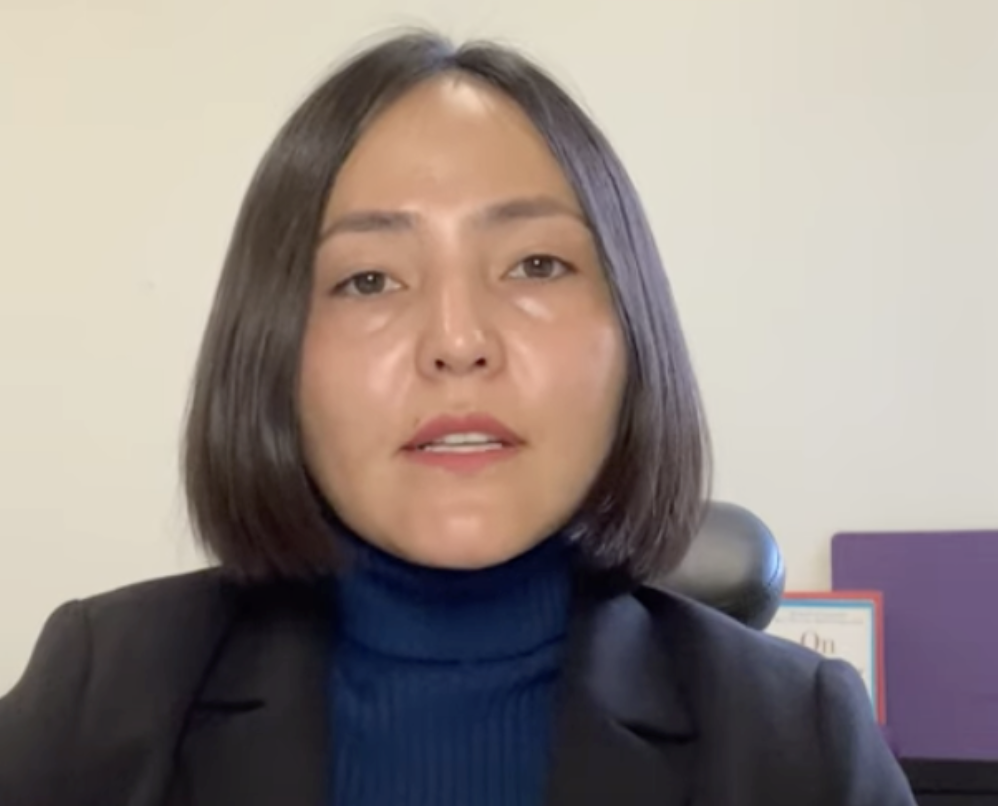
Photo credit: Zan Times
“The hardest part of continuing investigative reporting from exile, beyond the constant security concerns for our colleagues, is the distance and isolation it creates,” she said.
“Because we are working under very difficult conditions, our journalism is considered a crime under the regime that rules our country. We cannot gather in a newsroom, sit around a conference table, and openly discuss the investigations we are pursuing. We cannot meet face to face to debate sources, share observations, or build trust in person. Everything must be done remotely and cautiously.”
She explained that journalists inside Afghanistan must remain anonymous. Even colleagues inside the country do not know each other’s real names or identities.
“Investigative journalism relies on collaboration, trust, and human connection. When you cannot fully know the people you are working with, when you cannot even safely say their names, it adds an emotional and professional weight to the work.”
Editorial decisions, she explained, are often shaped primarily by safety:
“Every story requires us to ask: Should we publish this? Could any detail expose our journalists or our sources? There have been times when we chose not to report a story because the danger was simply too great.”
Exile creates safety in some ways. But it also creates isolation, stress, and emotional strain. Editors carry the burden of decisions that may affect colleagues still inside the country.
Zahra’s words reflect the reality of many exiled newsrooms, no matter which country they come from. Exiled media members are not only doing journalism, they have become fighters.
When I say that Azerbaijan’s media landscape from two and a half years ago now sounds surreal, it is because many journalists have had to abandon their profession rather than become propaganda tools, while others have been arrested for doing their work.
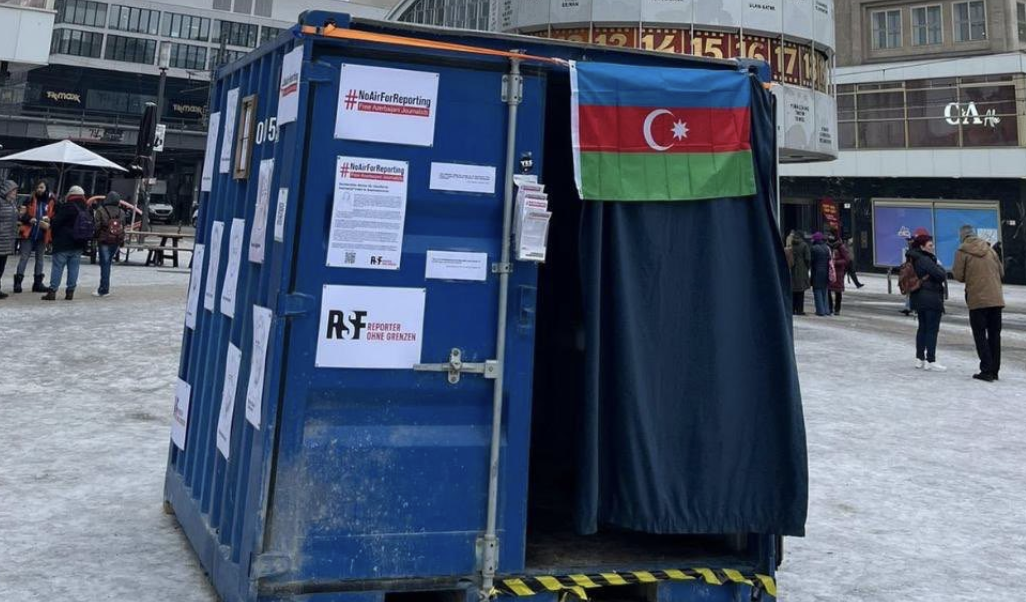
One Azerbaijani journalist now based in Europe told me that exile is not only a geographical change, but a transformation of her professional life.
“Being forced to work in exile means losing many things. It means losing the professional environment and the familiar colleagues, the discussions filled with emotion and healthy competition. It means losing the excitement of running to cover breaking news on the streets. It also means losing the freedom to go outside and conduct interviews with people openly.
None of these have been part of my life for the past two years. Even though I continue working online, it is not the form of journalism through which I can fully express myself.”
Her words describe not only personal loss, but the transformation of an entire profession. Newsrooms have been dismantled. Journalists have been imprisoned. Others continue their work across borders, separated from the society they report on.
The black wall in Kuala Lumpur carried names. But behind each name is a newsroom interrupted, a career reshaped, and a struggle that continues inside prison cells and in exile.
Gunel Safarova